High utility bills have a way of creeping in quietly. One month the AC runs a little longer. The next month the thermostat seems “stuck.” Then you look at the bill and it feels personal. In my experience, the fastest path to relief is not guessing at random repairs. It is starting with a clean diagnosis, checking the basics that most systems will fail at first, and then moving to the parts of the HVAC system that actually drive cost.
If you are looking for AC repair in Kansas City MO or HVAC repair in Kansas City MO, the most useful question is usually not “what is wrong,” it is “where is the system wasting energy right now?” Energy waste leaves clues: temperature swings, airflow problems, short cycling, inconsistent run times, unusual odors, and sometimes even changes you can measure with a simple thermometer.
Below is a practical way to start, what to look for before calling an HVAC contractor in Kansas City MO, and how to separate a real fix from a bandage.
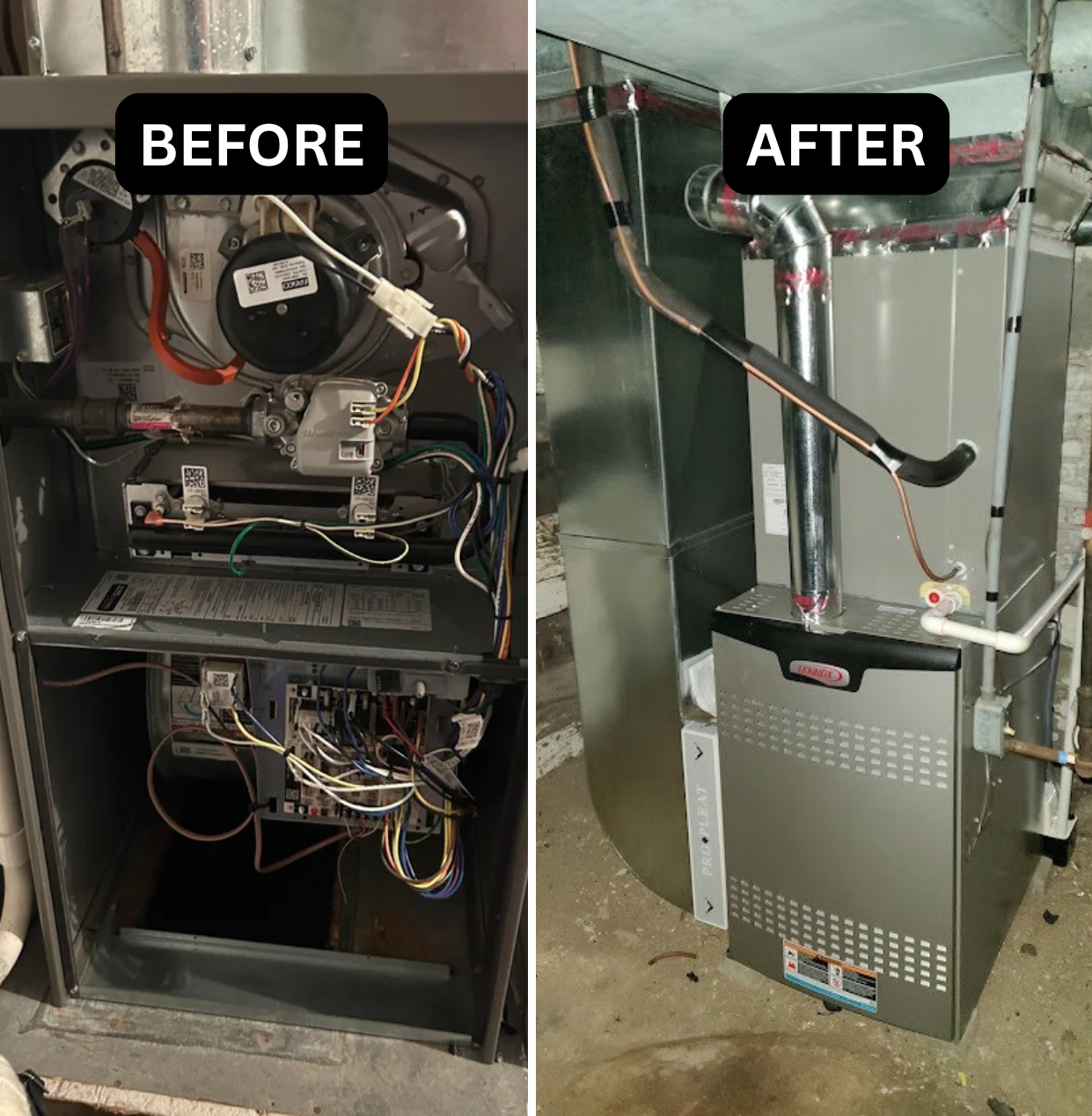
Step one: confirm the bill shift and the pattern
Before you schedule service, take ten minutes to understand the bill trend. A single high month can happen because of humidity, a long heat wave, or a busy schedule where the thermostat ran unoccupied setpoints longer than usual. A pattern tells you the system is behaving differently.
Look for these clues:
- Did the higher charges begin right after a maintenance visit, repair, or thermostat change? Did it rise sharply during a specific weather stretch, like the hottest weeks in mid-summer? Are you seeing high charges on cooling only, heating only, or both?
If your bill is high in both seasons, that often points to insulation, duct issues, or airflow restriction that affects everything. If it is mainly cooling, the usual suspects are refrigerant problems, airflow restrictions, dirty components, duct leakage near supply, or a compressor that is running inefficiently.
One time I was called to a home where the homeowner swore the AC “used to keep up” and now it did not. The technician noticed the air conditioner was indeed running, but the temperature drop across the indoor coil was weak. The bill pattern had matched a slow shift in comfort. That is when cleaning the evaporator and correcting an airflow limitation solved most of the cost issue, even before we discussed deeper system health.
Step two: check what the system is doing, not just what you feel
Comfort complaints can be subjective, but HVAC behavior is not. Even if you are not a technician, you can observe several things that narrow the problem quickly.
Set the thermostat to cool and let the system run long enough to stabilize. Then pay attention to:
- Does the blower run continuously or does it cycle on and off with the compressor? Does the indoor air feel weak from registers, especially those far from the unit? Do you hear short cycling, where the compressor starts and stops quickly? Is there noticeable humidity indoors, especially around closets and bathrooms?
High utility bills are commonly tied to the HVAC system working longer than it should. That might be because it is not moving enough air across the coil, because the thermostat settings or fan mode are wrong, or because the refrigerant balance is off. It can also be because the system is undersized for the home’s current load.
A quick thermostat sanity check
Small thermostat mistakes can create big waste. One common issue in older homes is a fan setting that prevents proper operation. If the fan is set to “on” instead of “auto,” it will run longer than needed, pulling more electricity and sometimes blowing air through a duct system that leaks.
You can also check whether your thermostat schedules are using a comfortable setpoint during hours you do not need it. If you have a smart thermostat, confirm it is not holding a schedule incorrectly after an update.
This is not meant to replace diagnosis, but it prevents the most obvious “false leads.”
Step three: inspect the easy, high-impact items before anyone opens the unit
You do not need special tools to catch several energy-wasters. Some of these are homeowner-safe, and some are not. When I advise people in the Kansas City area, I tell them to start with the things that do not require opening sealed equipment or touching wiring.
Here are the first checks that often pay off:
- Confirm outdoor unit has clear airflow, no blocked intake or crushed fencing around it Check return vents for heavy dust buildup that suggests restricted return airflow Inspect indoor registers for furniture, rugs, or supply vents painted shut Look for obvious ice buildup on the evaporator coil area during cooling Replace clogged air filters on schedule, especially during high humidity summer weeks
If you do these and the bill does not improve, that usually means the root cause is deeper, such as refrigerant performance, blower motor capacity, capacitor issues, or duct leakage. But those easy checks reduce the amount of guesswork for the technician and help prevent wasted service calls.
Filter size and airflow matter more than “brand”
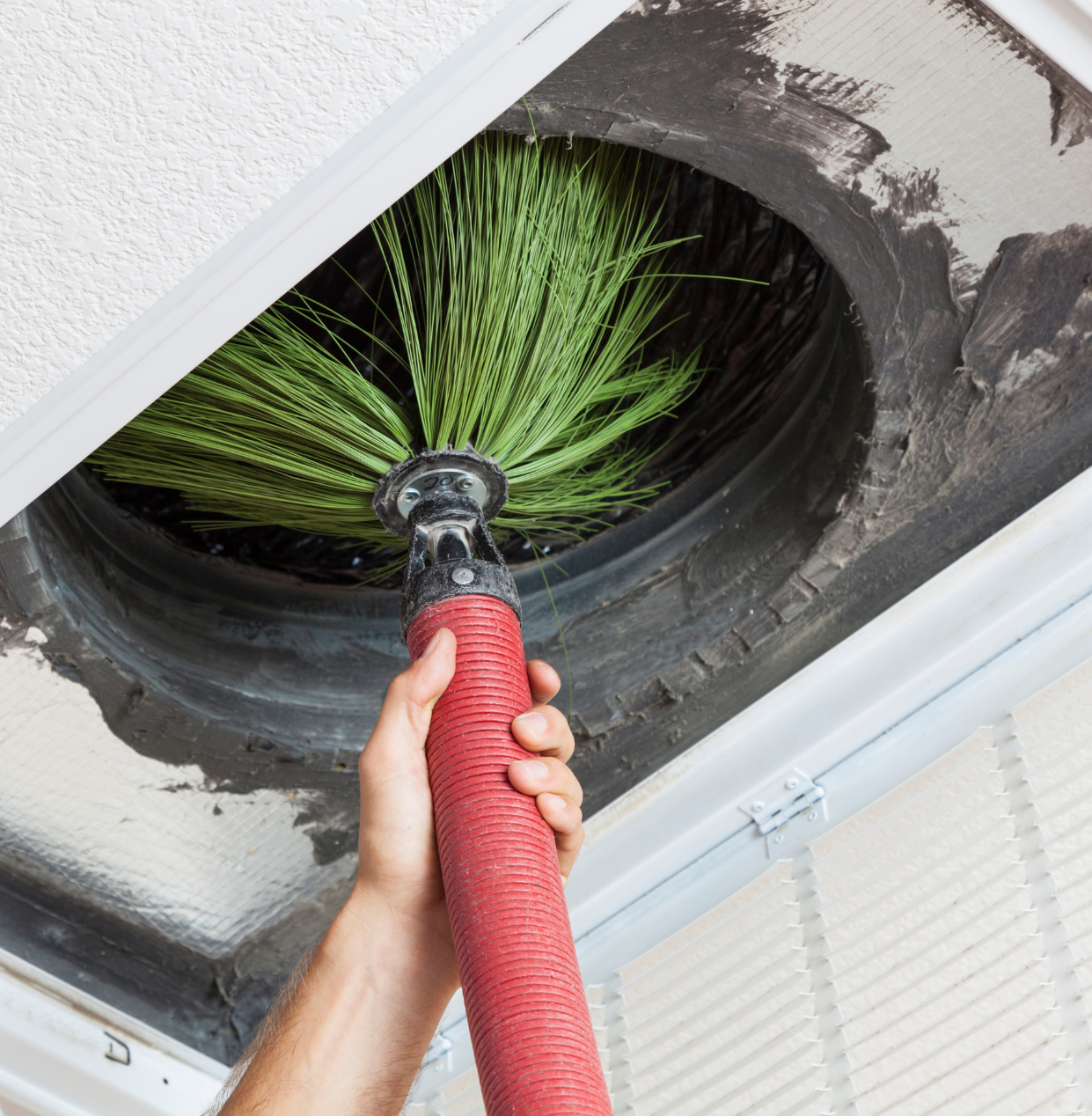
A lot of homeowners choose a filter based on price or what they used last year. The more important detail is correct size and adequate airflow. A filter all4onekc.com AC repair in Kansas City MO that is too restrictive can make the blower work harder and reduce coil performance. That can lead to longer run times and higher bills, even if the system is technically “turning on.”
If you are not sure about filter size, measure it or check the current filter frame. If you have a high MERV filter and you notice reduced airflow, that is a clue. Higher ratings can be fine, but only if your equipment is designed to handle it without starving the coil.
When ductwork is the hidden cost center
Ducts are often where HVAC problems show up as utility bills. Even if the air conditioner is healthy, leaky ducts or poorly balanced airflow can cause expensive inefficiency. In the Midwest, where summers are humid and winters can be harsh, the duct system can amplify comfort issues when air is escaping into attics, crawlspaces, or wall cavities.
Common duct-related signs include:
- Supply vents that feel cool but not cold, even when the AC is running Hot or cold rooms far from the unit Airflow that seems uneven, with some rooms getting strong flow and others getting very little Popcorn-like dust around registers that suggests leakage or long-term airflow disruption
A technician can measure static pressure and compare it to what the system is designed for. Homeowners often do not have that equipment, but you can still notice patterns. For example, if only certain rooms are uncomfortable, duct leakage or balancing issues become more likely.
If you have ever lived with duct repairs that were done poorly, you already know the challenge. Duct sealing and insulation are not glamorous, but they can be one of the highest return improvements. Just keep expectations realistic, because ductwork varies wildly from home to home in age and construction quality.
Energy waste from refrigerant issues: what to watch for
Refrigerant problems do not always look dramatic. Some people expect a “low refrigerant smell” or obvious leaks, but often the symptoms are performance-based. Low refrigerant can cause reduced cooling capacity, coil frosting, and higher run times. Overcharged systems can also be inefficient and can stress components.
During a service visit, a properly equipped technician will check temperatures and pressures and verify airflow across the coil. They should also look for causes, not just fix refrigerant and walk away. A refrigerant charge adjustment without finding and addressing the leak or performance issue can be a temporary fix at best.
If you ever see ice on the indoor coil or refrigerant lines, take it seriously. That kind of icing usually means the coil is not receiving enough heat transfer, often because airflow is restricted, the system is undercharged, or the system is operating outside its best conditions.
And yes, some systems ice in extreme humidity or certain thermostat settings. The key difference is how often it happens and whether it resolves when you correct airflow and filter issues.
What “AC maintenance in Kansas City” should actually cover
Maintenance is sometimes treated like a checklist, but the goal is more specific: stabilize performance so the system does not drift. Over time, dirt builds on the evaporator coil, the outdoor condenser can get coated, condensate drains can clog, and electrical components can degrade.
When people ask about AC maintenance in Kansas City, I usually tell them to look for service that addresses both efficiency and reliability. Efficiency comes from clean airflow paths and correct refrigerant performance. Reliability comes from checking electrical components like contactors, capacitors, and safety controls.
A good maintenance visit should not feel like someone only “looks around.” It should include measurements and cleaning where appropriate. It should also include questions from the homeowner, because your symptoms matter. If you mention high bills and explain when the problem started, a technician should treat that as a performance investigation, not a routine wipe-down.
How to talk to an HVAC contractor without getting bounced around
When utility bills rise, homeowners often do the same thing I did when I first learned HVAC: they assume the system must be “broken” and seek a quick replacement. Sometimes replacement is the right answer, but many times the first step is a repair that restores efficiency.
The way you communicate can influence how quickly you get to the real cause.
Instead of saying “my bill is high,” try describing the pattern. For example:
- “The AC runs longer and never seems to reach the setpoint until late evening.” “The house feels humid even when the thermostat says it is cooling.” “Airflow from the vents is weaker than it used to be.” “The bill jump started after a recent storm when I noticed leaves near the outdoor unit.”
Those details help narrow the list of possible issues. A thorough HVAC contractor in Kansas City MO will treat your observations as part of the diagnosis.
Also, ask whether the service call includes actual performance checks. “We will check temperature split, airflow, refrigerant-related readings if appropriate, and electrical function” is the kind of answer that signals competence. A vague “we will see what we can do” often leads to repeated visits.
Signs you might need more than a simple repair
Some problems start as repairable issues and then get worse because the system is compensating. When that happens, a technician may recommend both repair and efficiency improvements, or they might discuss replacement if the system is old and the cost curve favors a new unit.
Here are practical signs that point toward deeper action:
If your system is frequently running but not achieving cooling targets, and airflow and filter issues have been ruled out, then performance may be declining at the component level. If the unit is short cycling due to electrical or thermostat issues, efficiency drops and wear increases. If you have repeated refrigerant corrections, that suggests either ongoing leaks or a more complicated performance problem.
Age matters too. A 10-year system can still be repaired effectively, but a 15 to 20-year system with recurring electrical issues and limited efficiency can become a constant battle. Not every old system should be replaced, but the decision becomes easier when you see how often repairs are needed and how much comfort is still missing.
A judgment call based on costs
In Kansas City summers, energy prices and humidity can be brutal. A system that is “barely working” can still cost more than a system that is properly restored. That is why the best approach is to measure performance during diagnosis. A technician who can show you where efficiency is lost and how the repair improves temperatures or airflow gives you something concrete to decide with.
What to expect during a proper HVAC repair visit
If you call for HVAC repair in Kansas City MO, you should expect the technician to do more than replace parts they guess are failing. The best visits follow a logic chain: verify thermostat and controls, check airflow, inspect coils, evaluate electrical operation, confirm safe refrigerant operation, and then confirm comfort impact.
You may hear terms like temperature split, static pressure, delta T, and condensate drainage. Those measurements exist because they connect the system to physics, not guesses.
If you are present during the diagnosis, ask a few targeted questions. You want to understand not only “what” they found, but “what made it happen” and “what changes after the repair.”
It is reasonable to ask for a clear explanation of:
- what the technician found (the symptom in the system, not just the part) what it likely affects (comfort, humidity, run time, energy consumption) what the repair will change (measured improvement where possible)
Two short checklists you can use right now
Sometimes it helps to have a simple structure for what to do before the appointment and what to ask while you are there. Here are two compact lists.
Before your service call
- Write down the last few utility bill amounts and dates Note when the comfort problem happens, morning, afternoon, evening Check and replace the air filter if it is dirty or the wrong size Confirm thermostat mode and fan setting, cool and auto Clear debris around the outdoor unit, grass clippings and leaves
During diagnosis, ask these questions
- “What measurements did you take to confirm airflow and performance?” “Is the issue likely a restriction, electrical, refrigerant-related, or duct-related?” “What outcome should improve after the repair, run time, humidity, temperature split?” “If you replace a component, what usually causes it to fail in homes like mine?”
These questions do not require technical knowledge, they just require the technician to explain their method.
Common scenarios I see in Kansas City homes
To make this more concrete, here are a few real-world patterns that show up repeatedly.
The system runs, but the house never gets truly comfortable
Often this points to airflow issues, dirty coils, restricted return vents, or duct leakage. If the indoor blower is weak or the filter is too restrictive, the evaporator does not transfer heat efficiently. The compressor then keeps running longer to compensate.
In those cases, cleaning and airflow correction can reduce runtime immediately. The bill may not drop overnight because the home’s humidity and temperature balance need time to recover, but you should see movement in comfort within a day or two.
The AC cools, but humidity stays high
Humidity is a coil performance story. When the coil is not doing enough moisture removal, the house feels clammy even when temperatures look okay. This can happen with short cycling, low airflow, incorrect thermostat settings, or refrigerant and airflow mismatches.
If the system runs too briefly to remove moisture, you can get a “cool but damp” feel. Long run times can also occur when the system cannot remove heat efficiently, so the diagnosis has to treat temperature and humidity as connected signals.
Outdoor unit looks “fine,” but the electrical workload is high
Electrical issues can create odd symptoms. A failing capacitor or contactor might not completely kill the system, but it can reduce efficiency or cause instability. When equipment hesitates, starts late, or cycles irregularly, the system consumes more power without delivering proportional cooling.
That is why I prefer service that checks electrical function and verifies proper operation, not just a visual inspection.
Repair versus replacement: how to decide without panic
High utility bills can make homeowners feel like they are behind on every payment. It is understandable to want a fix right away. Still, a repair plan should be tied to measured performance.
A smart decision process looks like this:
If the diagnosis shows a specific fix that restores airflow or coil performance, and the cost is reasonable compared to what you would pay for a new unit, repair often wins. If your system is near the end of its useful life, and the diagnosis points to multiple failing components or major efficiency loss, replacement may be more cost-effective over time.
You can also consider the scope of future risk. A single repaired component can be a one-time correction. Repeated failures, especially electrical, suggest declining system health. A technician who can explain the pattern and offer options helps you make a calm decision.
Final mindset: start with diagnosis, then chase savings
When you are dealing with HVAC repair for high utility bills, the biggest mistake is treating everything like a single symptom. Bills reflect the whole system, including airflow, heat transfer, controls, and the building envelope.
Start with the pattern in your bills, observe system behavior, correct the easy airflow and thermostat issues, and then let a qualified contractor verify performance with measurements. If you are in the Kansas City area and considering AC repair in Kansas City MO or HVAC repair in Kansas City MO, choose a service provider who treats your home’s comfort and your utility costs as part of the same problem.
When you do that, repairs stop feeling like guesswork. They become a process, with outcomes you can feel in the house and see in the next bill.
All 4 One Heating & Cooling
5828 Woodland Ave, Kansas City, MO 64110, United States
816-699-8366
[email protected]
Website: https://all4onekc.com/